
Conversations
Life Story Interview Questions, Organized by the Shape of a Life
Life story interview questions organized the way a life actually unfolds — place and family, choice, work, love, loss, humor, and meaning — not a single long list.
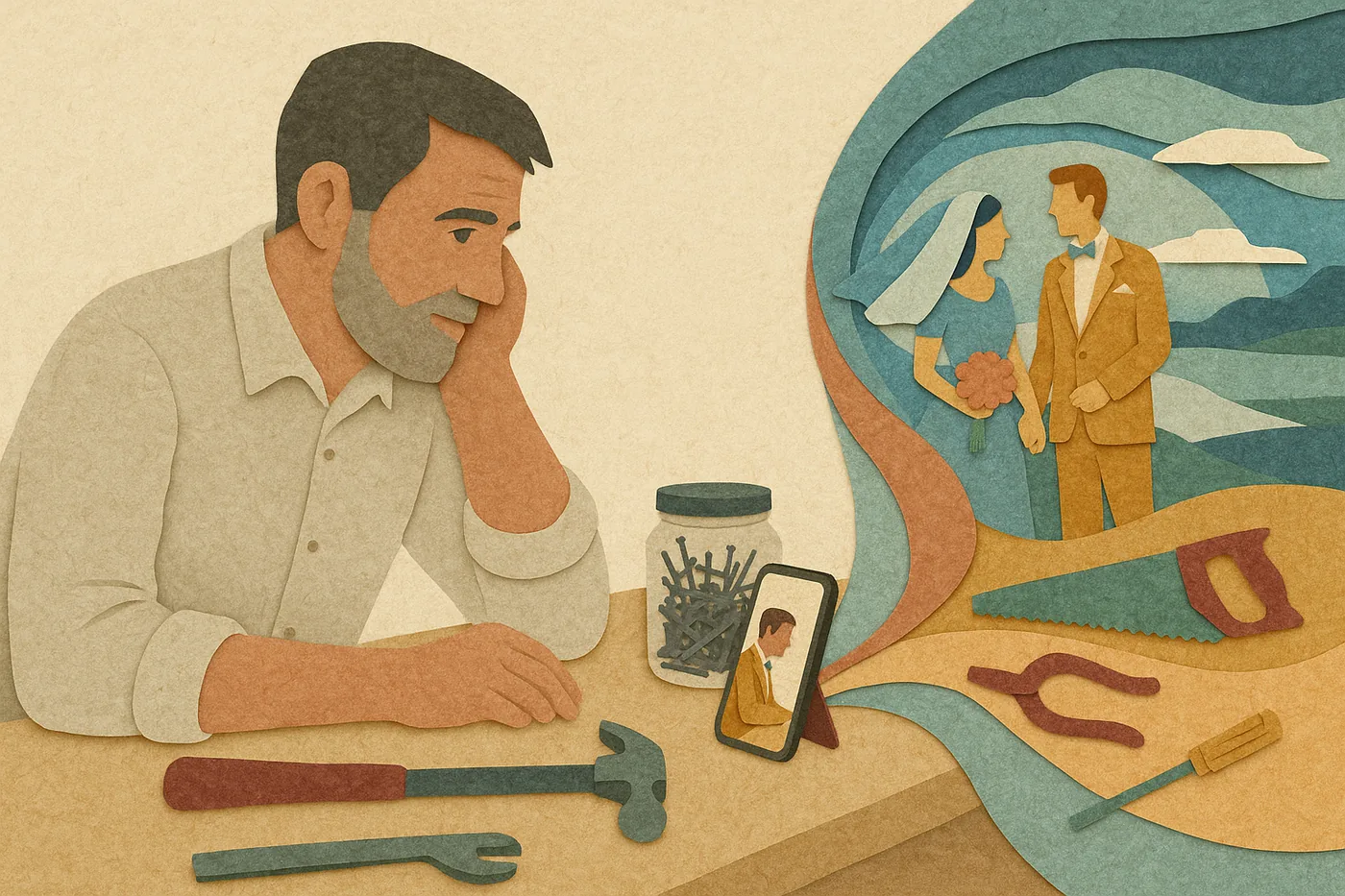
A single long list of life story interview questions tends to flatten a life into one register — everything asked the same way, in whatever order it was written down. A life does not move that way. It moves through place and family, then choice, then work, then love, then loss, then the parts that are actually funny, and only at the end toward what any of it meant. Questions that follow that shape get further than questions that treat a whole life as one undifferentiated subject.
What follows is organized in that order — seven doors instead of one list — with guidance on pacing each one and on when to leave a door closed. It is a starting shape, not a script: the best question in any conversation is usually the one nobody wrote down in advance.
Start with place and family, not the whole story at once
Before choice or work or love, a life has a setting. Naming it first gives the rest of the conversation somewhere to stand.
- Where did you live as a child, and what did the house actually look like inside?
- Who was in the house with you, and who wasn't there but should have been?
- What did your family argue about, and what did they never talk about at all?
These answers rarely carry the most weight on their own. Their job is to fix a time and place the later questions can return to.
Ask about choice before asking about career
Life story interview questions about work go better once you've asked about the decisions underneath the work — the fork in the road before the job existed.
- What did you think your life would look like at eighteen, and how different is it?
- Was there a choice you made that surprised the people who knew you?
- What choice got made for you, that you might have made differently yourself?
Choice questions surface the plans that didn't happen alongside the ones that did — both are part of the record.
Work is easier to talk about than love — ask it next
Most people can describe a job in detail long after the feelings around a relationship have gotten complicated to talk about. Use that ease to build momentum before moving somewhere harder.
- What did a normal day at work actually involve, hour by hour?
- What were you good at that nobody ever thanked you for?
- Did the work change you, or did you do it the same way from the first year to the last?
Love, told through people, not through summary
"Tell me about your marriage" invites a summary. A question aimed at one relationship, one person, one specific day, invites a story instead.
- How did you meet the person you built a life with — what do you remember about the actual day?
- Who did you love that the rest of the family never really knew?
- What is something about loving someone that surprised you, once you were actually doing it?
Loss deserves room, not a rush past it
Loss is often the part a conversation moves through fastest, out of a wish to be kind. Slowing down here, gently, usually produces the material people are later glad exists.
- What is a loss that changed how you saw everything after it?
- Is there someone you still think about, that people don't ask you about anymore?
- What did you learn to live with, rather than get over?
Ask these after trust has built across the earlier questions, and let a short answer stay short. A person who isn't ready to say more will say so by saying less — that's a boundary, not an opening to push through.
Humor unlocks memory that seriousness doesn't
The funniest stories in a family are often the ones nobody thought to record, because they didn't feel like "history" while they were happening. They're some of the best material for exactly that reason.
- What is the most trouble you ever got into, and did you get caught?
- Who in the family could always make you laugh, and what did they actually do?
- What's a story people in your family tell about you that isn't quite true — and what really happened?
Close with meaning, once there's been enough material to reflect on
Meaning questions ask someone to step outside the story and look at it, which is different work than remembering a specific day. They land better last.
- Looking back across all of this, what mattered more than you realized at the time?
- What do you want the people after you to actually understand, not just know?
- Is there anything in what we've talked about that you'd want said differently, or said at all?
Follow the answer, not the list
Seven doors is a shape to move through, not a checklist to complete in one sitting. The strongest material usually comes from a question nobody planned — the follow-up prompted by a name, a pause, or a detail mentioned in passing on the way to answering something else. When that happens, stay there before moving to the next door.
The right not to answer, and when to stop
Every question here is an invitation. A person telling their own life story gets to skip one without explaining why, and skipping is information in itself — a door to try again later, not one to force open now. If a question touches on hearing, energy, or mobility rather than memory, adjust the pace or the setting rather than reading it as reluctance to talk. And a remembered account is not the same thing as a settled fact: when two people in the same family remember a day differently, the honest record keeps both versions rather than picking the more confident one.
A printable path through this shape
Before a conversation, print this order and leave space beside each section for whatever the person actually says: two place-and-family questions, two choice questions, two or three work questions, two love questions, one or two loss questions — asked gently, with permission to skip — two humor questions, and one closing meaning question. Plan for forty-five minutes to an hour, and stop before anyone is tired rather than after.
Where this fits into a longer record
This shape works for a single sitting, but a life story is rarely told once. Oral history interview questions that open a real conversation covers the pacing and consent that carry across every session, and what makes a life story sound like the person who lived it covers what to do with the material once several conversations exist.
If your family is ready for someone else to hold this shape across many calls, join Founding Families.